
Age of disconsent

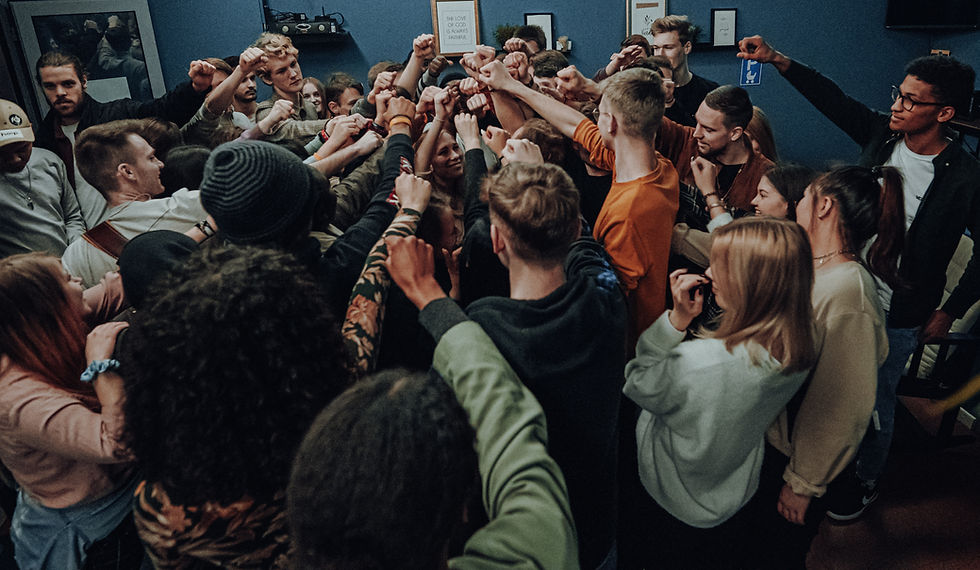
In a year marked by rapid digital shifts and rising concerns over civic disengagement, the successful completion of the Erasmus+ youth exchange Age of Disconsent in Naples in November 2025 offered a timely reminder of how cross border dialogue can strengthen global society and support fair sustainability. The project addressed the need for young people to understand their political environment, articulate their views responsibly and participate confidently in public discourse, a milestone that aligns with the spirit of SDG 16 on inclusive societies.
At the heart of the initiative was a simple premise, that democracy requires more than passive agreement. It calls for spaces where emerging citizens can develop the skills to question, cooperate and co create. The project highlighted three reasons this work matters now, a world increasingly shaped by algorithmic information flows, a demand for transparent public debate, and the need to reinforce social cohesion across cultural lines.
A collaborative experiment in political awareness
Hosted by the Italian organisation Two Plus Two, with the partnership of DiverCity (Armenia), the Finnish Peace Committee (Finland) and the Spanish association Strait Up representing GSI Tarifa, the exchange brought together young participants from four countries, including a six member group from Spain. Their shared task was to explore how misinformation circulates and how political narratives evolve in the age of instantaneous communication.
Across a week of structured yet informal learning, activities ranged from critical media analysis to simulations of public consultations. The facilitation team from Two Plus Two grounded the sessions in nonviolent communication, value integrity and contextual understanding, principles increasingly recognised as essential for responsible citizenship.
This pedagogical approach helped participants interrogate the influence of online ecosystems, identify manipulative discourse frames and practise constructive disagreement, an ability that is becoming central in a polarised digital sphere.
Building cooperation, confidence and civic fluency
Statistically, young Europeans report both higher exposure to misinformation and lower trust in traditional political institutions. Recent EU youth surveys note that more than 70 per cent encounter misleading content weekly, while fewer than 40 per cent feel equipped to challenge it effectively. Projects such as Age of Disconsent offer a counterweight, not by prescribing political views but by cultivating analytical skills and intercultural awareness.
Participants worked in mixed national groups, producing comparative insights into how political messaging differs among their contexts. This intercultural exchange fostered empathy and enhanced cooperation, reinforcing one of the project’s core objectives, to make political issues interesting, personal and active for young people who wish to participate more fully in civic life.
A podcast as a public contribution
The final outcome took the form of a collaboratively designed podcast, launching the participants’ reflections to a wider audience. Each segment dissected elements of digital misinformation, personal responsibility and democratic voice, making the project’s work accessible beyond the temporary community formed in Naples.
The partner organisations have agreed to continue their collaboration, recognising the value of a long term network dedicated to improving youth engagement and strengthening civic resilience.
Looking ahead
As digital communication accelerates and political narratives grow more complex, initiatives like Age of Disconsent demonstrate that young people are not merely observers of societal change, they are active contributors. Their ability to question, cooperate and communicate responsibly may well determine the health of public discourse in the decades to come.
Further reading on similar global efforts to strengthen youth participation and digital literacy can be found through resources such as:


